HUNG ASSEMBLY: LEADER OF BIGGEST PARTY WILL GET FIRST INVITE TO FORM GOVT A hung assembly occurs when no single political party or alliance se cures the minimum number of seats re-quired to form a majority gov
[06/05, 10:47] sekarreporter1: http://youtube.com/post/UgkxpwEpQIwhtldn3_BA6OxEdV-JiQEKo7sD?si=J6Q_ICPWXxEcJhMH
[06/05, 10:47] sekarreporter1: HUNG ASSEMBLY: LEADER OF BIGGEST PARTY WILL GET FIRST INVITE TO FORM GOVT
A hung assembly occurs when no single political party or alliance se cures the minimum number of seats re-quired to form a majority gov 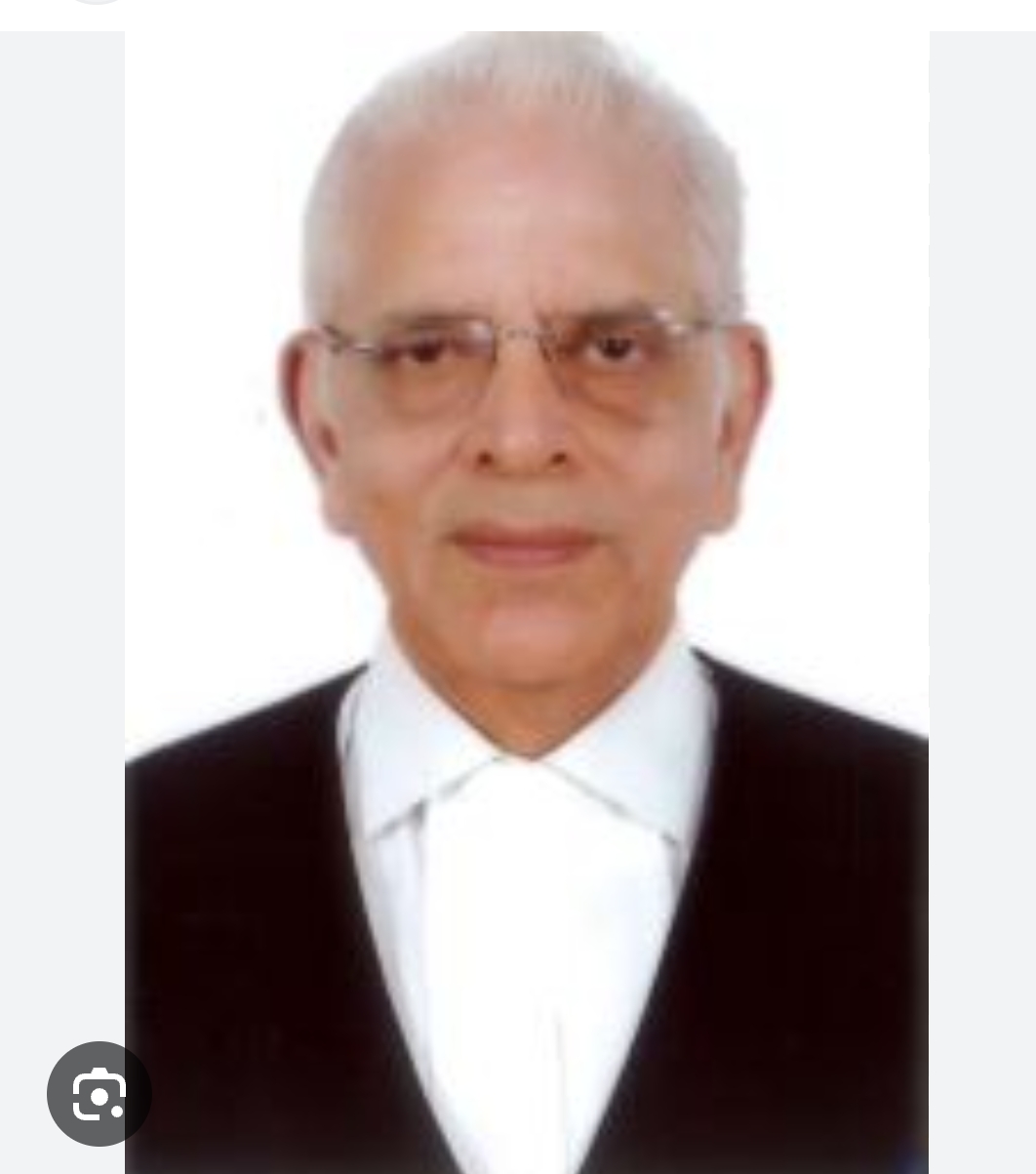 ernment. In the just concluded Assembly election in Tamil Nadu, the electorate has given a fractured verdict, i.e., no par ty or alliance has crossed the halfway mark of 118.
Article 164(1) of the Consti-tution states that the chief minister shall be appointed by the governor. When there is no clear majority, the Con-stitution gives the governor the discretion to decide whom to invite to become the chief minister and form the government.
While exercising such dis cretion, constitutional con-ventions play an important role. Conventions grow from longstanding accepted prac tices or by agreement in are-as where the law is silent and such a convention would not breach the law, but fill the gap. It is because the Consti-tution provides no guidance on who to appoint as the chief minister, the conven tions are adopted.
The governor has to act in his own ‘dis-cretion’ and natural-ly he will take vari-ous factors into consideration. The primary factor will be his assessment on who will become the chief minister and which body of council of ministers will en-joy the confidence of the As sembly under Article 164(2).
When the election results produce a hung Assembly/
FOOTNOTE
GUV’S OPTIONS (in order of precedence)
If there is no no single party/alliance with an absolute majority, the governor may invite leader of the single largest party
Invite the leader of the biggest single party/pre-poll alliance who is supported by sufficient number of MLAs to command absolute majority
a Invite leader of a post-poll alliance
D When options A, B and C are ruled out, send a message to the House asking it to elect its leader (Floor Test)
Parliament, the task of the governor/president bristles with difficulties since there is no established convention in this regard in our country. The convention adopted by some governors and presidents has been to invite the leader of the single largest party first.
In 1952, when the Congress won 155 out of 321 seats in the Madras Assem bly election, and was the single largest party in the Assem bly, and the Communist bloc (United Democratic Front) got 166 seats, it was C Rajag opalachari from Congress who was invited by Governor Sri Prakasa to form the gov-ernment. In 1967, after the Congress emerged as the sin-gle largest party with 88 seats
in Rajasthan election, it was invited to form the govern ment even as the United Front had a majority of 93 members in the house of 183 seats.
In the general election to the Lok Sabha in 1999, when no party secured the absolute majority, then president (late) R Venkatraman applied the arithmetic test/objective test” by summoning parties in the order of their numerical strength. Congress, with 194 seats, was the single largest party and was first invited, but Rajiv Gandhi declined to form the government. The president then invited VP Singh, leader of the National Front. The same method was adopted by former president S D Sharma in appointing A B Vajpayee as the prime minis ter on May 15, 1996. But the government fell within 13 days as it failed to secure the majority
Since TVK is the single largest party, the governor in his discretion may first invite Vijay to form the government. No doubt, the governor, while appointing the leader of the single largest party as the chief minister, may impose the condition that the chief minister will have to seek a vote of confidence within 30 days of taking oath and prove his majority, as suggested by the National Commission to review the working of Consti-tution (2000-2002) under the chairmanship of M N Venkatachaliah.
K SUBRAMANIAN
(The author is a senior advocate and former advocate