Justices J.B. Pardiwala and R. Mahadevan/.singnificant land mark order/Kerala’s first visually challenged judge.
Yes, this is a significant milestone for inclusivity in the Indian judiciary. Based on the reports, here are more details about Thanya Nathan C. and the landmark 2025 Supreme Court ruling that made her appointment possible. [1]
Thanya Nathan C.: A Historic Achievement
• Background: 24-year-old Thanya Nathan C., who has no light perception (totally blind), is set to become Kerala’s first visually challenged judge.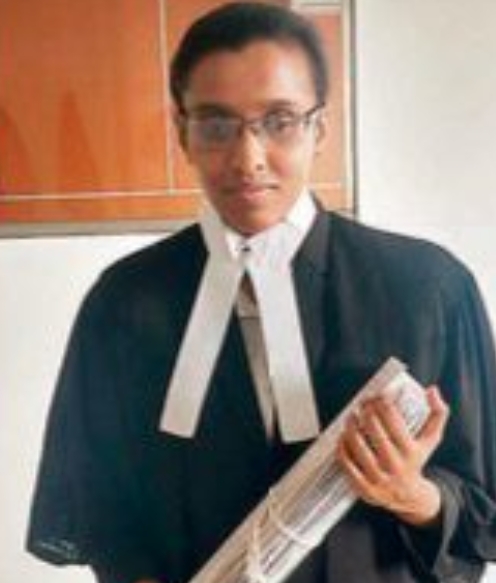
• Merit List Success: She topped the merit list for persons with benchmark disabilities in the Kerala Judicial Service examination for Civil Judges (Junior Division).
• Education & Career: She previously secured the first rank in her LLB examination from Kannur University and began her legal practice under K.G. Sunilkumar in Taliparamba, Kannur.
• Overcoming Hurdles: Thanya used Braille and screen-reading software to study law and prepare her argument notes, highlighting the role of modern technology in facilitating her success.
• Upcoming Appointment: The Kerala High Court has finalized the selection process and sent the list to the government for issuing the appointment letter. [2, 3]
The 2025 Supreme Court Ruling
The path for visually impaired candidates was cleared by a landmark 2025 Supreme Court verdict (Suo Motu Writ Petition (C) No. 2 of 2024), delivered by a Bench consisting of Justices J.B. Pardiwala and R. Mahadevan.
• Eligibility Affirmation: The Court held that visually impaired candidates cannot be deemed “not suitable” for judicial service and are fully eligible to participate in selections.
• Striking Down Exclusionary Rules: The judgment struck down rules (such as those in Madhya Pradesh) that excluded blind/low-vision persons, stating they violate constitutional equality.
• Reasonable Accommodation: The Court emphasized that “reasonable accommodation” (such as scribes, assistive technology, and accessible infrastructure) is a right, not a favor, and must be provided to enable PwD candidates to work.
• Separate Merit Lists: The ruling mandated that states maintain separate cut-offs and merit lists for Persons with Benchmark Disabilities (PwBD) at every stage of the selection process.
• Key Principles: The judgment rejected the idea that disability equates to an inability to perform judicial duties, asserting that equality of opportunity necessitates a structural and inclusive approach. [2, 4, 5]
Thanya’s appointment is expected to push the Kerala judiciary to ensure necessary infrastructural adjustments (such as accessible courtrooms) to support her role. [2]
AI responses may include mistakes.
[1] https://www.instagram.com/p/DQLVXYGD7FV/
[2] https://www.thehindu.com/news/national/kerala/in-a-first-a-visually-challenged-woman-all-set-to-become-a-judge-in-kerala/article70607385.ece
[3] https://www.instagram.com/reel/DUe-TrMgs6U/
[4] https://lawfoyer.in/in-re-recruitment-of-visually-impaired-in-judicial-services-suo-motu-w-p-c-no-2-of-2024-2025-4-s-c-r-222-2025-insc-300/
[5] https://www.scobserver.in/supreme-court-observer-law-reports-scolr/in-re-recruitment-of-visually-impaired-in-judicial-servicesvisually-impaired-candidates-cannot-be-excluded-from-judicial-services-in-re-recruitment-of-visually-impaired-in-judicial-services/i


![[2/12, 20:37] Sekarreporter: https://twitter.com/sekarreporter1/status/1227609983597940736?s=08 [2/12, 20:37] Sekarreporter: [2/12, 20:35] Sekarreporter: https://twitter.com/ThanthiTV/status/1227605942692241418?s=08 [2/12, 20:36] Sekarreporter: சேவை வரி செலுத்துமாறு ஏ.ஆர்.ரகுமானுக்கு, ஜிஎஸ்டி ஆணையர் அனுப்பிய நோட்டீசுக்கு இடைக்கால தடை – சென்னை உயர்நீதிமன்றம் #HighCourt | #ARRahman https://t.co/0TZX4aBQvS](https://www.sekarreporter.com/wp-content/themes/hueman/assets/front/img/thumb-medium-empty.png)